Signs Your Door Knob Lock Needs Replacing — Not Just Rekeying
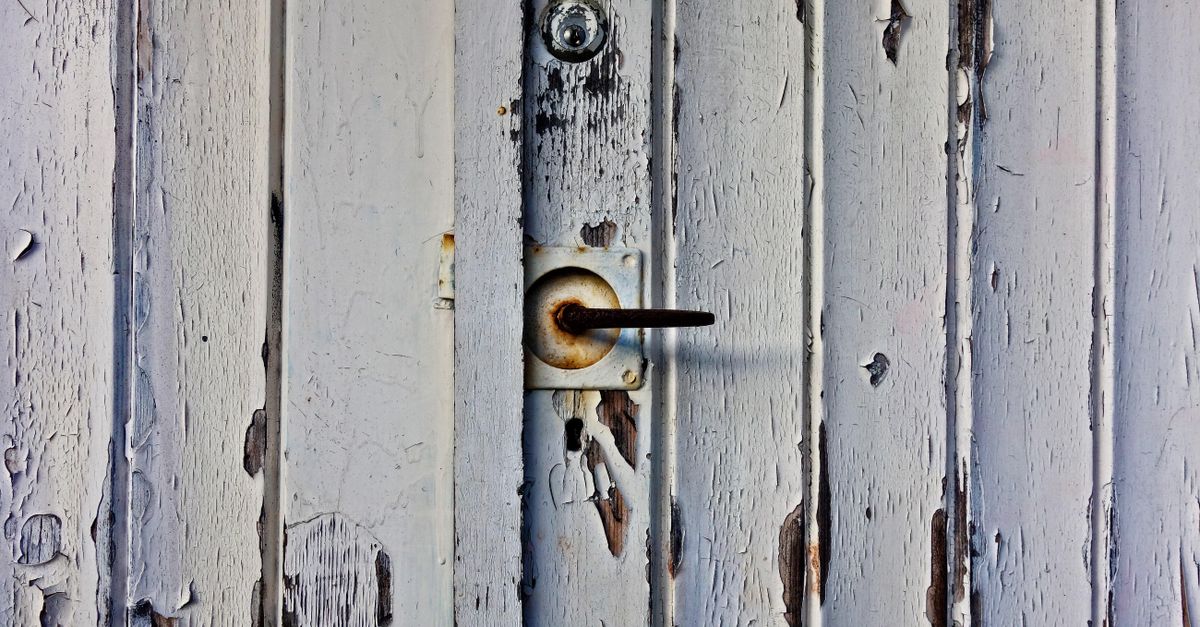
A knob lock that wobbles, sticks on warm days, or requires jiggling to engage the latch has usually reached the end of its service life. Rekeying changes the internal pin configuration so old keys no longer work, but it cannot fix worn tumblers, a cracked housing, a faulty latch mechanism, or a stripped set-screw that lets the knob spin independently of the cylinder. If you notice resistance even with the correct key, a latch that doesn't spring back fully, or visible corrosion on the faceplate, those are signs that full door knob lock replacement is the right call — not a patch job.
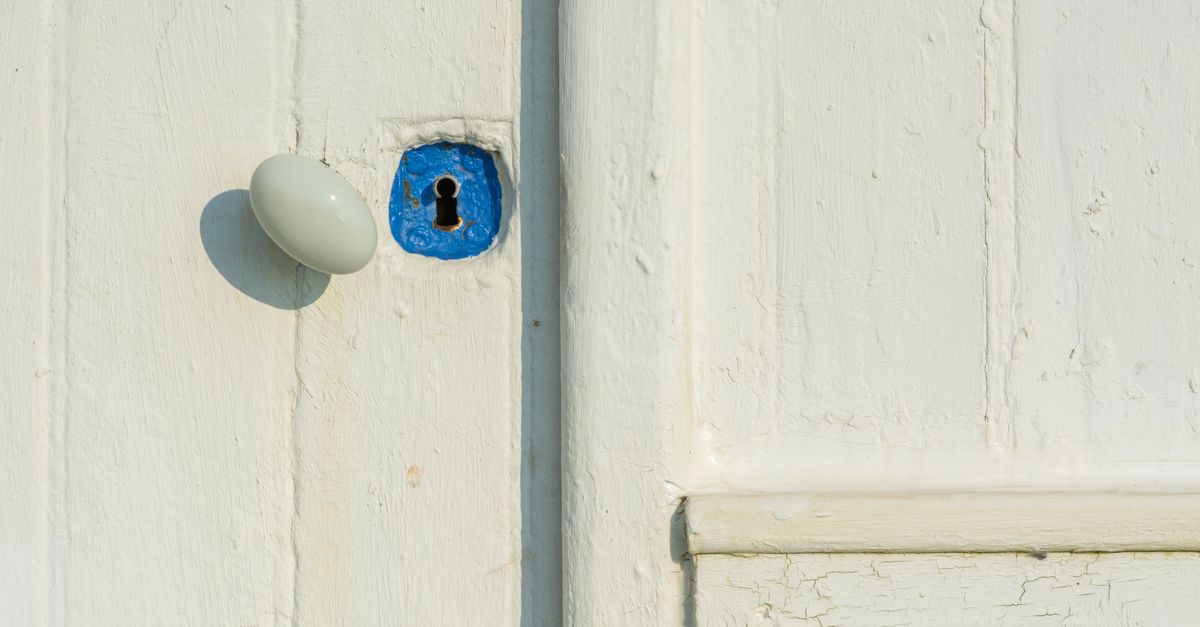
The same logic applies to interior applications. A door knob with lock for bedroom use — a privacy knob with a simple push-button or twist-turn mechanism — can fail just as decisively as an exterior security knob. When the privacy lock no longer releases cleanly from the outside emergency pinhole, or the push-button stays depressed, it's a replacement job. Our technicians carry both privacy and keyed knob sets from trusted hardware lines including Schlage and Kwikset, so we can match the existing door prep without cutting new holes or leaving visible damage.