Clinton St Locksmith Service Team
Local locksmith team
Jul 6, 2026 10 min read
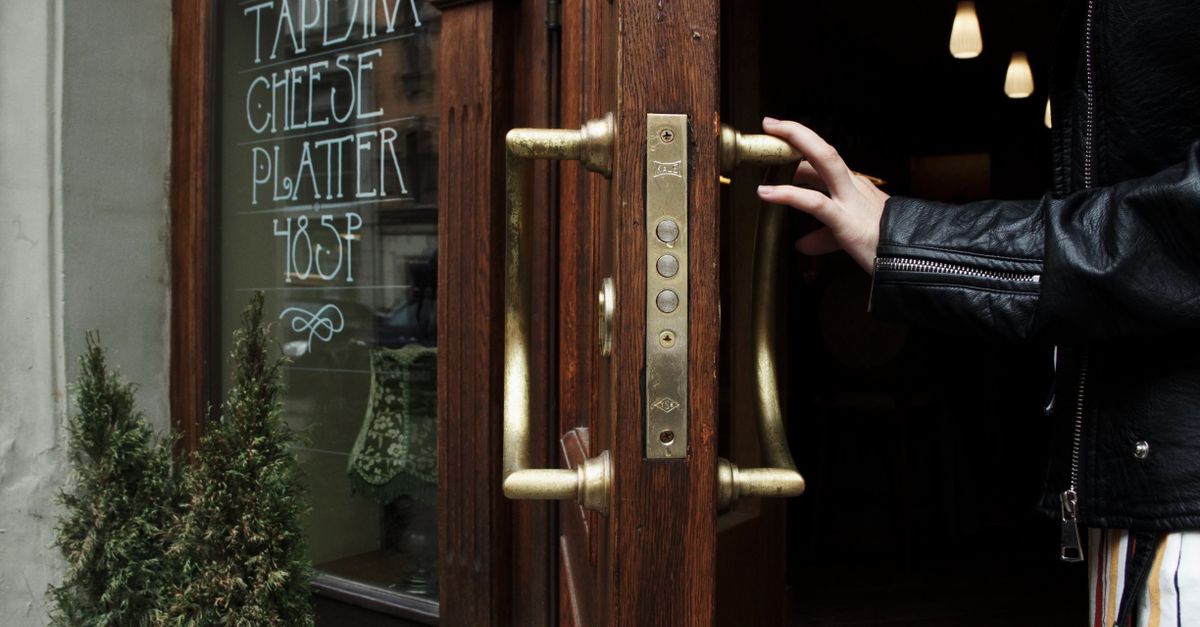
If you own a shop or office near Clinton Street in the Glen Falls (GF) New York area, your front door is doing more work than you might realize. It's your first line of security, your liability shield, and — if you ever face a building inspection or insurance review — a paper trail that regulators and underwriters will scrutinize closely. Yet many small business owners in this corridor are still running storefront doors with hardware that was installed a decade ago, doesn't meet current code, or simply wasn't commercial-grade to begin with.
This guide is written for local shop owners, office managers, and building tenants who want straight answers: what lock hardware does New York State actually require for commercial doors, what is panic hardware and when is it mandatory, and how do you choose a mortise lock that will hold up to daily foot traffic on a busy GF New York street? We'll walk through each question practically, so you can make confident decisions — and know exactly when to call a qualified commercial locksmith for help.
## Why Storefront Lock Compliance Matters for GF New York Businesses
New York State follows the International Building Code (IBC) as its baseline commercial construction and life-safety standard, supplemented by the New York State Uniform Fire Prevention and Building Code. For storefronts and commercial occupancies, this means door hardware isn't optional — it's regulated. The type of lock required depends on your occupancy classification (retail, office, assembly, etc.), the number of occupants your space is designed to hold, and whether your door serves as a required means of egress. An insurance adjuster reviewing a claim after a break-in, or a fire marshal doing a routine walk-through, can flag non-compliant hardware and it can cost you in denied claims or mandatory closures.
On Clinton Street and the surrounding downtown GF New York blocks, many storefronts occupy older mixed-use buildings where the door frames and hardware pre-date current code cycles. That's not automatically a problem — grandfathering provisions exist — but any renovation, change of occupancy, or new tenant buildout typically triggers a compliance review. If you've recently signed a new lease or finished a renovation, it's worth having a qualified commercial locksmith assess whether your current hardware meets the standard your occupancy requires.
## Mortise Lock Basics: The Commercial Standard Worth Knowing
When commercial locksmiths talk about door hardware that actually belongs on a business, the mortise lock comes up immediately — and for good reason. Unlike a standard cylindrical door knob lock, which sits in a bored hole and relies on a single latch mechanism, a mortise lock is set into a rectangular pocket (the 'mortise') cut into the edge of the door. This gives it a much larger footprint inside the door, which means the bolt, deadbolt, latch, and strike plate all work together as an integrated unit. The result is dramatically better resistance to kick-in and pry attacks — exactly what a storefront door on a public-facing street needs.
For GF New York businesses, a properly installed mortise lock should carry an ANSI/BHMA Grade 1 rating, which is the highest commercial durability classification and requires the lock to withstand hundreds of thousands of operating cycles. Brands like Schlage and other commercial-grade manufacturers produce Grade 1 mortise lock bodies that meet this standard. If your current storefront door uses a residential-style door knob lock or a basic deadbolt, you are almost certainly underprotected — and potentially out of compliance if your space qualifies as a public assembly or high-traffic retail occupancy. Our team at Clinton St Locksmith installs, rekeyes, and services mortise lock hardware across the GF New York area and can tell you on the spot whether your current setup meets Grade 1 requirements.
## Panic Hardware and Egress Requirements: What GF New York Shop Owners Must Understand
Panic hardware — sometimes called a crash bar or exit device — is the horizontal bar mechanism you see on emergency exit doors. Under the IBC, panic hardware is generally required on doors serving occupancies where 50 or more people may occupy a space at one time (Group A assembly occupancies) and in certain Group E (educational) and Group H (high-hazard) occupancies. For most small retail shops along the Clinton Street corridor with a designed occupant load under 50, panic hardware may not be mandatory on every door — but if you have a rear exit or a corridor door that serves as a secondary egress, the rules can shift based on the full occupant load of the building, not just your suite.
What this means practically: if your landlord's building has a shared egress corridor or a rear exit that serves multiple tenants, the door hardware serving that path may need to comply with the higher standard, even if your individual space is small. A fire marshal inspection that finds a keyed lock on what is classified as a required means of egress can result in a Notice of Violation. If you're unsure whether your rear or secondary doors need to be converted to panic hardware, that's a conversation to have with a qualified commercial locksmith before the inspection — not after. Call (646) 491-8338 and our team can assess your door configuration and give you a clear, honest answer.
## Choosing Commercial-Grade Hardware: Mortise Lock vs. Door Knob Lock for Your Storefront
The difference between a mortise lock and a standard door knob lock isn't just about aesthetics or price — it's about the long-term security profile of your business. A door knob lock on a storefront door is a common point of failure: the knob itself can be snapped or leveraged, and the single-point latch offers minimal resistance to a determined forced entry. For low-traffic interior office doors within your suite, a door knob lock may be perfectly appropriate. But for your primary entry door, a rear exit used by employees, or any door leading to a cash-handling area or secure storage, a commercial mortise lock is the correct choice.
When our commercial locksmith team recommends hardware for a GF New York storefront, we look at several factors: door material and thickness (hollow metal, solid wood, aluminum storefront), the number of daily cycles the door will see, whether the door is key-controlled from outside only or requires inside access as well, and whether a master key system is needed to coordinate access across multiple doors or suites. The final cost of any hardware and installation depends on factors like the specific lock grade and function selected, the door prep work required, the time of service, and any additional parts. We always confirm an exact up-front price before any work begins — no surprises.
## Emergency Locksmith Services for GF New York Commercial Properties
Lockouts and hardware failures don't wait for business hours. A broken mortise lock body, a snapped key in a deadbolt cylinder, or a panic bar that stops latching properly can leave your business unsecured or your employees locked out — often at the worst possible time. As a 24/7 mobile emergency locksmith serving the GF New York area, Clinton St Locksmith responds to commercial calls on Clinton Street and across the surrounding neighborhoods around the clock. Our mobile service units carry commercial-grade mortise lock bodies, cylinders, and replacement hardware so that most jobs can be resolved in a single visit.
Common commercial emergency calls we handle include: lockouts where keys have been lost or an employee has left with the only key, broken key extraction from mortise lock or deadbolt cylinders, lock rekeying after a staff departure or security concern, and panic hardware that has failed or been damaged. We also handle urgent calls for businesses that have experienced a break-in — resecuring your door with new hardware the same night so you don't have to leave your property vulnerable. If you're facing a commercial lock emergency anywhere in the GF New York area, call (646) 491-8338 — we answer 24/7.
## A Practical Compliance Checklist for GF New York Storefront Owners
Before your next lease renewal, renovation permit, or surprise inspection, run through these practical checkpoints for your storefront hardware. First, identify every door that serves as a required egress path — primary entry, rear exit, and any corridor doors — and confirm the hardware on each is appropriate for your occupancy classification. Second, check your primary entry door: if it currently uses a door knob lock or a basic deadbolt without a commercial mortise lock body, note it for upgrade. Third, if your space has a designed occupant load at or approaching 50 persons, consult a commercial locksmith about whether panic hardware is required on any of your doors. Fourth, verify that all cylinders are keyed to a controlled key system — if former employees or previous tenants may still have working keys, a rekey is the fastest and most cost-effective security upgrade you can make. Finally, document your hardware: note the brand, grade, and installation date for each lock so you can provide that information quickly during an inspection or an insurance review.
Clinton St Locksmith works regularly with small businesses throughout the GF New York area, from retail shops and professional offices to multi-tenant buildings and restaurant spaces. We're familiar with the older building stock along and around Clinton Street — the mixed-use facades, the narrow rear corridors, the aluminum storefront frames that require specific mortise lock bodies — and we bring that local working knowledge to every commercial job we take on.
Frequently asked questions
Do I need a mortise lock on my storefront door, or will a deadbolt work?+
For most commercial storefronts in GF New York, a commercial-grade mortise lock is strongly recommended and in many cases required by code. A standard deadbolt alone does not meet ANSI/BHMA Grade 1 requirements for commercial door hardware and offers significantly less resistance to forced entry than a properly installed mortise lock. A deadbolt may be appropriate as a supplemental lock on some doors, but your primary entry should have a Grade 1 mortise lock body. Our commercial locksmith team can assess your current setup and tell you exactly what's needed.
When is panic hardware required on a small business door in New York?+
Under the International Building Code as adopted by New York State, panic hardware (exit devices / crash bars) is generally required on doors serving occupancies with a designed occupant load of 50 or more persons, particularly in assembly, educational, and high-hazard occupancy groups. Many small retail and office spaces fall below this threshold on their own — but if your building's shared egress path or total occupant load triggers the requirement, individual tenant doors along that path may also need to comply. The safest step is to have a qualified commercial locksmith or your building's code consultant review your specific occupancy and door configuration.
What happens if my storefront lock doesn't pass a fire marshal inspection?+
A fire marshal who finds non-compliant lock hardware on a required means of egress can issue a Notice of Violation, require immediate correction, and in some cases order the space closed until the issue is remedied. Beyond the regulatory consequence, non-compliant hardware can also complicate a property insurance claim after a break-in or fire event. Addressing hardware compliance proactively — before an inspection — is always less disruptive and less costly than responding to a violation. Call (646) 491-8338 to schedule a commercial door hardware assessment with our team.
How much does it cost to upgrade to a commercial mortise lock in the GF New York area?+
The final cost of a mortise lock installation depends on several factors: the specific lock grade and function (entry, storeroom, office, classroom), the door material and whether any prep work is needed to fit the new hardware, the time of day the service is performed, travel distance, and whether additional parts like a new strike plate or cylinder are required. We never quote a price over the phone without understanding the full scope — but we always confirm an exact up-front price before any work begins, so you know the full amount before we touch anything.